Client work needs a clean handoff
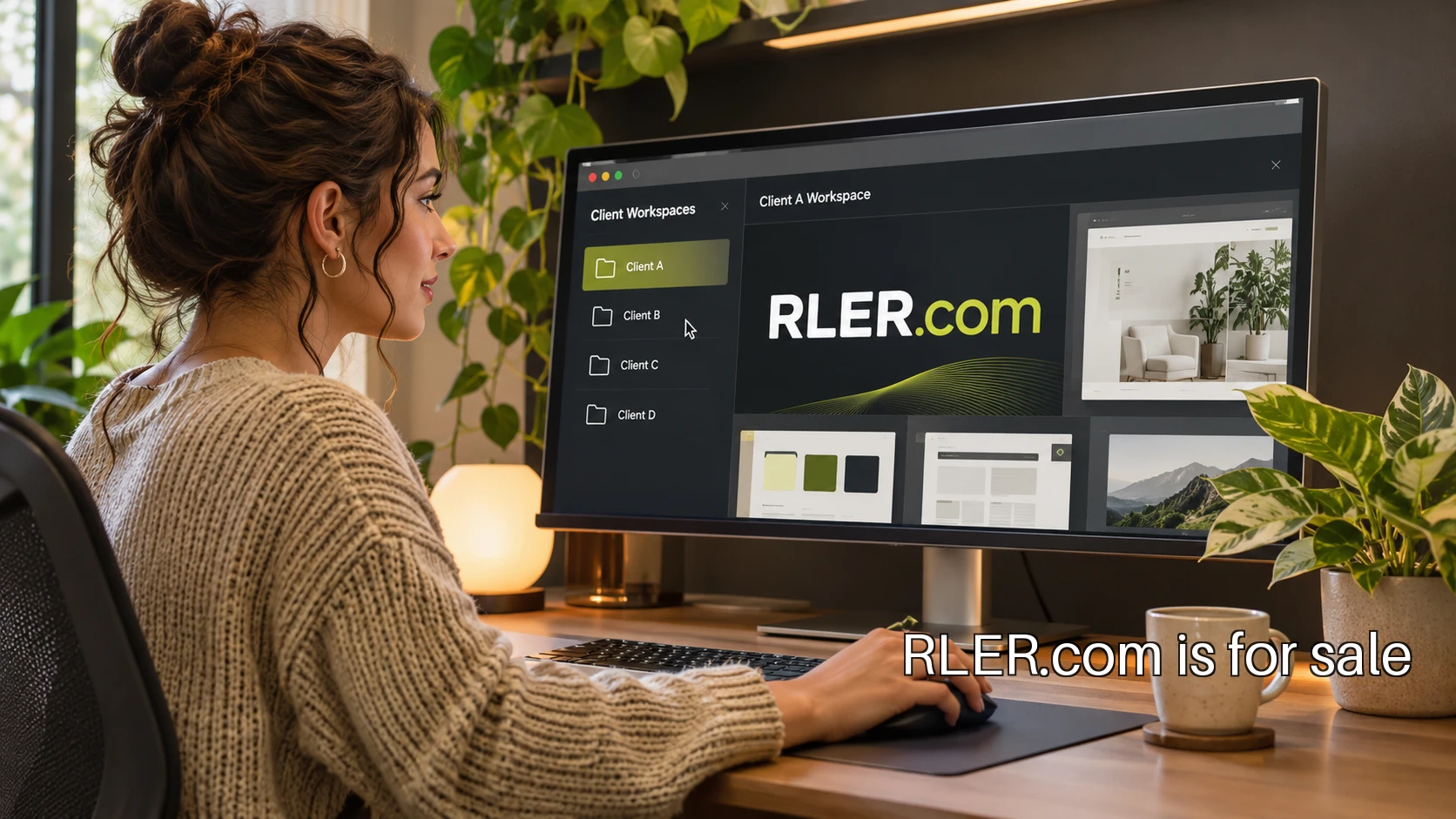
A browser-based workspace for client projects would organize the research and deliverables that accumulate during a small engagement. Its first buyer could be a digital studio managing several clients at once. The product would give each project a separate working context, a small source library and a defined handoff. RLER could be the compact product name across every client workspace the studio opens.
This is an illustrative concept for a founder, not a service already available. The first offer would focus on the last part of research: turning useful browser material into something a colleague or client can understand. A collection of tabs is personal memory. A handoff needs context, ownership and a clear statement about what the next person should do. The product would connect those two states.
Design the project boundary first
Consider a studio comparing booking flows for a client. One workspace holds reference pages, observations about each flow, the client's requirements and the final recommendation. Another client has a different workspace with its own access list. The first screen should make the current project unmistakable, including who can see it. A designer moving between clients needs confidence about where a saved source will land.
The first prototype can use explicit project switching rather than clever automatic classification. A visible project name, a persistent source destination and a confirmation after saving make the state easy to inspect. The founder should test what happens when a user saves the same page to two projects. Each workspace may need different notes even when both cite the same source. Shared source identity and project-specific interpretation should be separate records.
Save enough context to be useful later
A source record could contain a URL, a short title, the date it was checked and the observation that made it worth saving. The original page may change. The workspace should distinguish a live link from a captured reference, and explain the limits of whatever capture method it uses. A founder can begin with links and authored notes, then assess whether permitted snapshots solve a frequent problem.
The handoff record should name the decision the research supports. For the booking example, that might be the number of steps before confirmation or the information required before a time is shown. Sources grouped around a question are more useful than an undifferentiated bookmark collection. The recipient can see the recommendation and follow the evidence that led to it.
Build for people who receive the work
The receiving client should not have to learn a complicated project system to review a recommendation. A concise view might show the question, the recommendation, selected references and the next action. Internal notes remain private. Before adding any sharing feature, test whether the founder can explain exactly what a link grants and how access is withdrawn. Shared links are a product permission decision, not merely a convenience button.
W3C's guidance for forms provides useful principles for clear input labels and understandable confirmation messages. Those principles apply to saving a source and inviting a reviewer. The interface should tell a user where the item went and who can see it. A short confirmation can prevent a long search through the wrong client workspace.
Reach studios through an actual handoff
A credible distribution route would begin with small studios that already share structured client recommendations. Offer to model one recent handoff using public or sanitized material. Observe how the receiver asks questions and which parts they cannot interpret without a call. Those gaps help define the product. A landing page promising better organization is less informative than watching a client try to use the output.
The initial commercial offer might center on active client workspaces and a defined number of collaborators. The founder would need to test that model with buyers rather than assume seats are the right unit. Export matters early: a studio should be able to provide a durable handoff when an engagement ends. Decide which notes, links and decisions belong in that export and which internal material stays behind.
Keep the first version within reach
A browser extension can make capture convenient, but it also adds permission and maintenance work. A manual paste flow is a useful first test. Can a researcher turn five pages into a coherent recommendation without excessive typing? Does the reviewer understand why each source is there? If the answer is unclear, automatic capture will create more material without resolving the underlying handoff problem.
For team planning, GitHub documents multiple project views and custom metadata. The relevant lesson for this concept is to keep the underlying record stable while showing different views to different jobs. The researcher needs a working library; the client needs a concise decision trail. The founder can prototype both from the same small dataset.
Prototype one complete engagement
Choose a finished client project and recreate its research-to-handoff sequence. Keep the sample small enough to inspect every permission and every source. Ask a colleague to use the handoff without an explanation, then record the questions they ask. That test gives the founder a concrete next iteration.
With RLER on the workspace and its shared output, the product could grow from a focused handoff tool into related client work. The name supplies a compact identity while the first workflow supplies the explanation. A price inquiry can begin the conversation about acquiring RLER.com for this direction.